Healthier You: Andy’s journey to a happier healthier future
The Healthier You: NHS Diabetes Prevention Programme supports people at high risk of developing type 2 diabetes to make long-lasting changes to their health and wellbeing. Through practical guidance around nutrition, physical activity and behaviour change, the programme helps people build healthier habits and reduce their diabetes risk.
Andy joined the Diabetes Prevention Programme after being told he was prediabetic. At the time, life was far from straightforward but with the support of Healthier You, he found the tools, confidence and motivation to turn his health around.

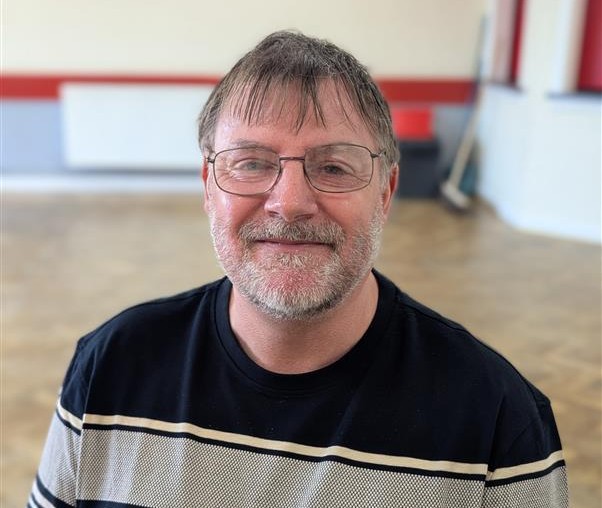
Andy, what was life like for you before joining the Healthier You programme?
Before the programme, things were quite tough. I was homeless at the time, living in a hostel, and that alone makes looking after yourself incredibly difficult. When you’re relying on benefits and trying to stretch every pound, you don’t get the luxury of choosing the healthiest foods; you just go for whatever is cheap and filling. For me, that meant big portions of pasta, rice and processed meals that were high in sugar and fat. I didn’t have the space or facilities to cook properly and over time I piled on quite a bit of weight, especially around my middle.
Then a routine blood test came back showing I was prediabetic, with an HbA1c of 46. That hit me hard, especially because I already had heart problems and high blood pressure; it felt like one more thing to worry about. And because I’d watched my dad suffer with type 2 diabetes and ignore every warning sign, I knew exactly how serious it could get. He smoked, drank, didn’t change his diet and ended up with blood clots in his feet and legs. Seeing him nearly slip into diabetic comas was frightening, and I didn’t want that for myself. That was the wakeup call.
What made you decide to join the Healthier You programme?
My GP surgery referred me and I’m glad they did. I’d been given warnings before but this time it felt different. I wasn’t shocked by the diagnosis, part of me expected it, but I knew I needed proper education and support to change things. I didn’t want to follow in my father’s footsteps and wanted a better chance at staying healthy. I don’t smoke or drink, so in my mind, diet and lifestyle were the next things I needed to get right.
I joined with the mindset that I was going to fully commit and see it through. I wanted to understand what diabetes actually meant, what causes it, and more importantly, what I could do to stop it progressing. Knowing that type 2 diabetes can sometimes be reversed if you catch it early gave me a lot of motivation. I thought: If I’ve been given this opportunity, I’m grabbing it with both hands.
How did you find the programme once you got started?
Right from the first session, I felt the programme had a really welcoming and encouraging atmosphere. There were quite a few of us to begin with, and it was reassuring to see people from all sorts of backgrounds coming together with the same goal. As the weeks went on, the group really started to gel. We got to know each other, shared experiences and built a bit of a community feel. For me, that sense of connection made a big difference; it helped me stay committed and accountable. I enjoyed turning up each week. I felt like we were all learning together and cheering each other on and that was a really positive part of the experience.
A huge part of what made the programme so effective was our coach, Anna. She’s incredible; full of energy, genuinely inspiring and clearly passionate about helping people improve their health. She explained things in a way that made sense and made everything feel manageable rather than overwhelming. You could tell she cared about us as individuals, not just as a group, and that meant a lot. Her enthusiasm kept me motivated, even when life outside the sessions felt stressful or uncertain. She made the sessions feel supportive and practical which played a big part in helping me see the programme through from start to finish.
What were the most useful things you learned on the programme?
A huge turning point for me was understanding portion control and food labelling. Before the programme, I assumed anything that said “low fat” must be good for you but I soon learned that low-fat products often make up for it with loads of sugar or other additives. Now I go for simple, whole foods; fullfat yoghurt instead of low-fat, fresh veg instead of processed meals. I’ve eaten more vegetables in the past year than I probably did throughout my childhood and now it’s just part of my routine.
The exercise advice also made a massive difference. The programme recommends 150 minutes a week but I went well beyond that because I realised moving more makes me feel better. During the programme I was walking for several hours a day and it became something I genuinely enjoyed. I’ve kept that going and I’ve even joined a gym. Exercise isn’t a chore anymore; it’s something I rely on to clear my head and keep my energy up.
How did these changes affect your wellbeing and mental health?
Making these changes had a huge impact on how I felt day-to-day. Getting into a routine, eating better and being more active made me feel much more clearheaded. When you’re living in a hostel, everything feels up in the air — you’re worrying about money, food, where you’re living and that stress builds up without you even realising it. Once I started looking after my physical health, it felt like everything became a bit easier to handle. I had more energy and I felt more in control of what was happening in my life.
Moving into my own flat was another massive turning point. Having a permanent place to live meant I could cook properly and shop for healthier food, instead of relying on whatever was cheapest or easiest. I’ve got a supermarket right next door and a Polish shop across the road that sells loads of fresh veg, so eating well has become much more achievable. It’s amazing how much your environment affects your mindset. With a stable home and the habits I’d built through the programme, I felt more settled, more positive and more confident about keeping up the changes I’d made.
What results have you seen since completing the programme?
The biggest result, and the thing I’m most proud of, is reversing my prediabetes. My blood sugar levels came right down and that felt like a huge achievement. I also lost weight, got fitter and just feel healthier all round. My energy levels are better and I feel brighter mentally. It’s like everything clicked into place.
I still check in with my GP surgery every month through their health and wellbeing programme, and that extra support is great. Getting my bloods done regularly and seeing the numbers improve gave me such a boost during the course. When you can literally see your progress on paper, it pushes you to keep going.
What would you say to someone who’s unsure about joining the programme?
Definitely join. Honestly, it’s one of the best decisions I’ve made. Everyone who stuck with the course felt the benefits; we all lost weight, felt healthier and learned things we wish we’d known earlier. It’s not always easy and you have to put the effort in but the benefits far outweigh the challenges. Mobility counts. Getting out for a walk every day, even a short one, can change everything.
The way I see it, the alternative is far worse. If you ignore the warning signs, you could end up with serious complications, limb problems, mobility issues, even amputations in some cases. That’s not a risk I was willing to take. This programme gives you the tools to avoid all that, and it’s a no-brainer in my opinion.
And what would you want healthcare professionals to know?
I think the biggest thing is that support really matters. Encouraging people to join programmes like this, following up with them and offering regular weigh-ins or blood tests can make the world of difference. When you’re trying to make big lifestyle changes, knowing your GP or a health coach is keeping an eye on your progress helps you stay motivated.
For me, getting my bloods taken every three months instead of once a year meant I could actually see things improving as I went along. That made me want to keep going. So, I’d say: keep encouraging people, keep checking in on them and keep promoting programmes like Healthier You, because they work.
Help people in your community live happier, healthier lives
If you’re looking to improve outcomes for people at risk of type 2 diabetes, Xyla’s delivery of the Healthier You: NHS Diabetes Prevention Programme offers a proven, evidence based intervention that helps people build sustainable lifestyle changes and reduce their long-term health risks.
Find out how Healthier You can support people to take control of their health and reduce demand on local services.